Why “Thriving” Matters for Your Brain
Thriving isn’t just about getting by. It’s about feeling alive, mentally agile, curious and in control.
And the good news? Neuroscience shows that no matter your age, your brain can adapt, grow and strengthen with the right conditions. This remarkable ability is what makes thriving possible at any stage of life.
In this article we’ll explore three powerful pillars that help your brain not just survive – but thrive:
- Learning and Challenge
- Lifestyle Habits
- Purpose and Meaning
Learning & Challenge: The Spark That Grows Your Brain
Contrary to outdated beliefs, your brain is not fixed after childhood. As one article explains: “the brain is never fixed … it continues to change with learning and experience throughout life.” 1
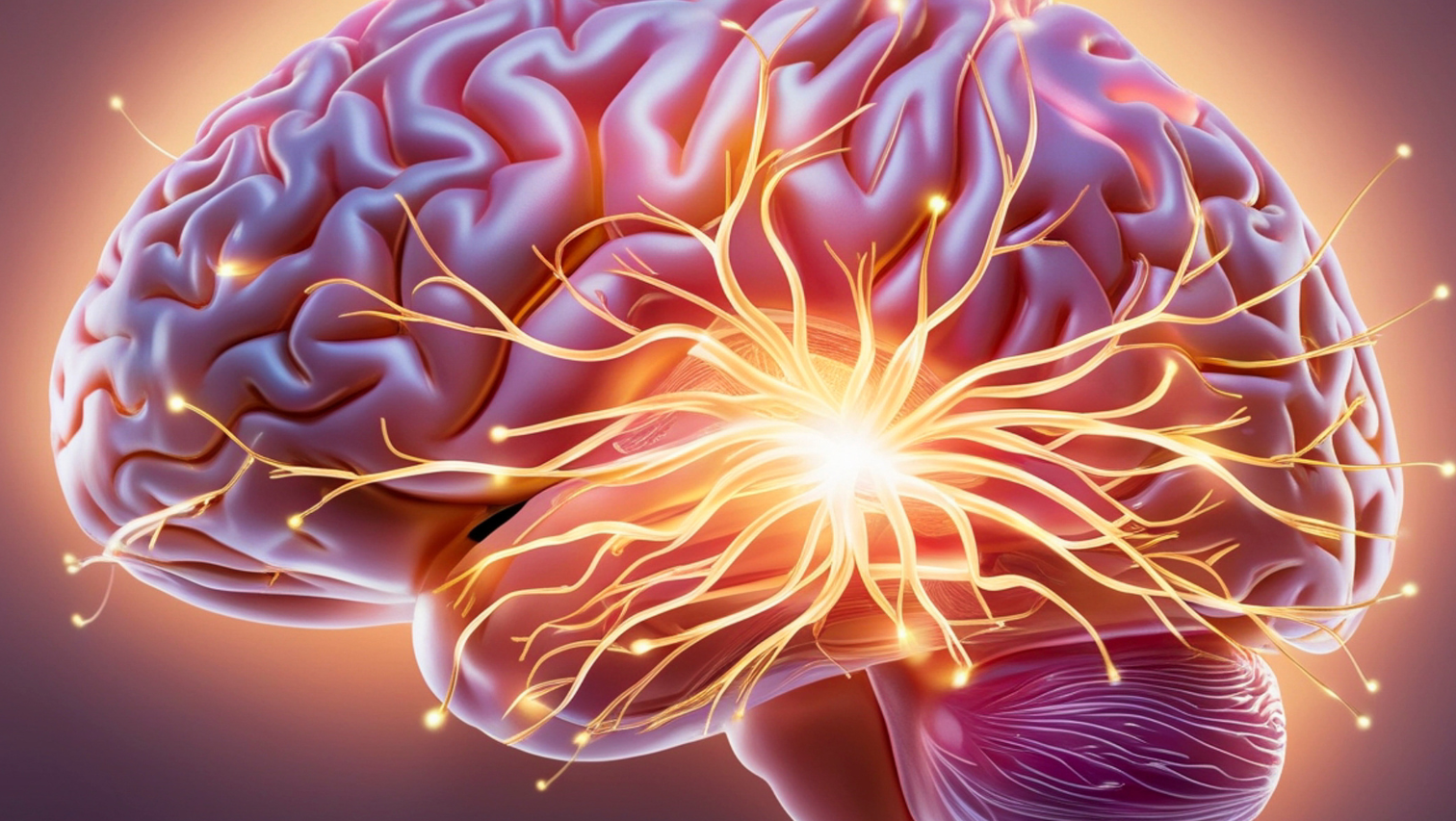
When you learn something new – be it a language, instrument, sport, or a challenging cognitive game, your brain rewires itself: neurons fire together, repeatedly, and their connections strengthen. This phenomenon is called neuroplasticity – the brain’s ability to reorganise itself by creating, changing and reinforcing neural pathways.
Key takeaway:
When you regularly introduce new, slightly uncomfortable challenges, you’re forcing your brain to adapt and become more resilient. Even small, everyday changes can have lasting effects
Try this:
- Try a new type of puzzle or memory game this week.
- Pick up a skill you’ve always wanted to learn (e.g., drawing, coding, cooking a new cuisine).
- Change your usual daily routine: walk a different route, use your non-dominant hand for small tasks.
Little challenges compound into lasting brain strength.
Lifestyle Habits: Fuel Your Brain’s Potential
Learning alone isn’t enough. The brain also needs a supportive environment and healthy habits to thrive. Lifestyle choices act like the soil, sun, and water for your brain – nourishing the changes that learning sparks.
Research continually highlights the powerful effects of three lifestyle factors that stand out:
- Exercise increases brain-derived neurotrophic factor (BDNF) and other growth factors, stimulates blood flow and can increase grey/white matter.
- Sleep supports dendritic growth and consolidation of new connections, allowing the brain to “cement” new learning and memory.
- Nutrition fuels cognitive clarity and protects the brain. A diet rich in plant-based nutrients and healthy fats, with minimal processed foods, supports brain structure, neurotransmitter balance and neuroplasticity
Key takeaway:
Building a thriving brain is as much about what you do with your lifestyle as what you think. A vibrant brain needs the right fuel, rest and stimulation. A vibrant brain needs energy, rest, and nourishment to perform at its best.
Try this:
- Aim for 30 minutes of moderate aerobic exercise most days (walking, cycling, swimming).
- Prioritise 7-9 hours of quality sleep; create a consistent night-time routine and minimise screens.
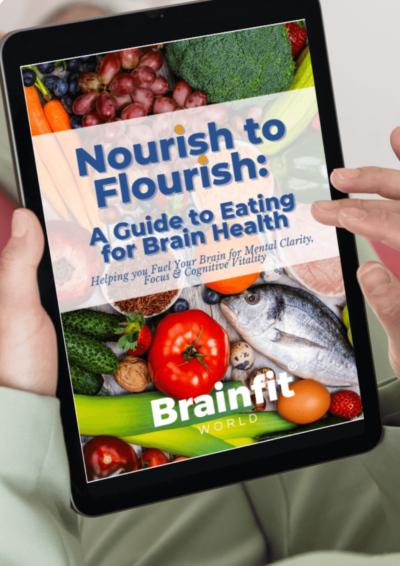
- Eat at least one “brain-friendly” <link to Nourish To Flourish> meal this week: rich in leafy greens + oily fish or nuts + good fats
Healthy habits give your brain the foundation it needs to thrive
Purpose & Meaning: Your Brain’s Internal Engine
When we think of thriving, purpose often comes up: having a reason, a “why”, that motivates us. That sense of purpose does more than lift your mood – it acts like rocket fuel for your brain, driving focus, and keeping your mind active.
When you pursue meaningful goals, your mind stays curious, motivated, and engaged. Purpose gives your brain direction and momentum.
Key takeaway:
A thriving brain isn’t just well-trained and well-fed – it’s driven. Finding something you care about ensures you keep showing up, keep exploring, keep adapting.
Try this:
- Set yourself 1 meaningful goal for the next 3 months (it might be learning a new skill, improving your social connections, volunteering, or tackling a meaningful project).
- Revisit your goal weekly – ask “what did I learn this week?” or “what surprised me?”.
- Pair that goal with a brain-healthy habit change with purpose: e.g. you walk daily not just for health, but to explore your local neighbourhood and meet someone new.
Purpose keeps your brain switched on and your motivation strong.
Bringing It All Together
Putting these three pillars together creates a powerful synergy:
- You challenge your brain → it rewires and strengthens (learning & challenge)
- You support it with good habits → it grows in a healthy environment (lifestyle)
- You drive it with purpose → it stays engaged, curious and motivated (purpose)
Think of your brain like a thriving garden:
- Learning and challenge plant new seeds
- Healthy habits provide light, water, and soil
- Purpose gives those seeds a reason to bloom
Together, these elements don’t just protect your brain — they create the conditions for lasting growth, clarity and vitality

Your Next Step
Want to make this real? Here are three mini-actions you can start this week. Start small – small steps lead to lasting change:
- Pick one new skill or challenge and commit to it for 15 minutes, 3x this week.
- Choose one lifestyle habit to upgrade (e.g. add an extra 10 minutes of movement or commit to one extra hour of sleep).
- Write down one meaningful goal and give your brain a clear “why” by linking it to a learning or lifestyle habit.
Want help? The Brainfit to Thrive online course is designed for you – self-paced, science-backed, and built for adults of any age who want to keep their brains active, agile and resilient.
Enrol now and future-proof your brain.
References
- Ross Cunnington. Neuroplasticity: How the brain changes with learning. IBE-UNESCO, 2019. IBE — Science of learning portal
- Pickersgill, Turco, Ramdeo, et al. The Combined Influences of Exercise, Diet and Sleep on Neuroplasticity. Frontiers in Psychology, 2022. Frontiers
- Kendra Cherry. How Neuroplasticity Works. Verywell Mind. Verywell Mind