
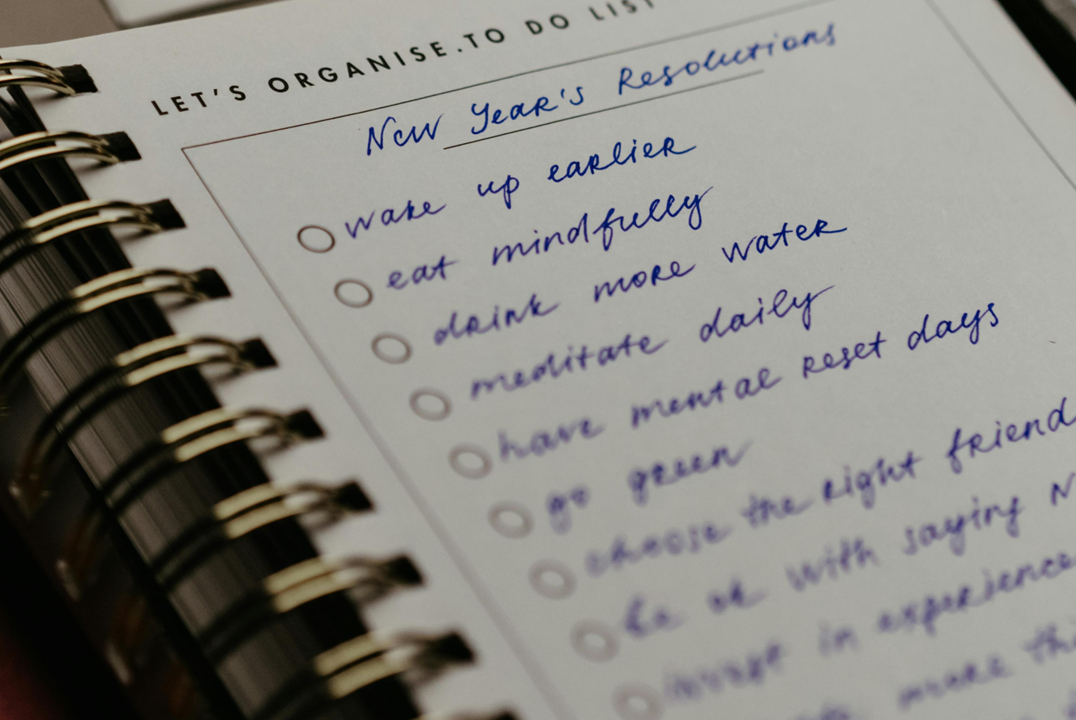
Brainfit Tricks For ’26 – Part 1:
At Brainfit, we are brain fitness and memory coaches. In 2026 we’re sharing 52 weekly, science-backed Brainfit Tricks designed to strengthen memory, sharpen focus, and build greater confidence at any age. Welcome to Brainfit Tricks for ’26.
Why Goals So Often Fail (It’s Not Your Fault)
January is full of fresh starts – and with that comes a lot of pressure.
We’re encouraged to set big goals, change everything at once, and rely on motivation to carry us through. But while this sounds inspiring, it often works against how the brain actually functions.
Your brain doesn’t respond well to overwhelm, perfection, or all-or-nothing thinking. Instead, it thrives on clarity, simplicity, and small wins. When goals feel manageable and meaningful, the brain is more likely to stay engaged long enough for real change to occur.
That’s why this month at Brainfit, we’re helping you approach goal setting differently — in a way that builds momentum without burnout.
What Neuroscience Tells Us About Goals That Stick
When goals are too big, vague, or disconnected from daily life, the brain can interpret them as pressure rather than possibility. When this happens:
- Stress hormones rise, reducing focus and working memory
- Follow-through drops once the initial novelty wears off
- Motivation fades and self-confidence takes a hit
Your brain doesn’t build habits through willpower alone. It builds them through repetition, visibility, and routine. Each time you experience a small success, the brain releases dopamine – reinforcing the behaviour and making it easier to repeat.
That’s exactly what this month’s Brainfit Tricks are designed to support.
4 Brainfit Tricks for Creating Goals That Stick
These four Brainfit Tricks are designed to work together – helping your brain build clarity, confidence, and consistency without relying on willpower.
Trick #1: One Focus Beats Ten Goals
Too many goals overload your brain. One clear focus builds momentum.
The science:
Your brain has limited attentional capacity. When you juggle multiple goals at once, the prefrontal cortex (the brain’s planning and decision-making centre) becomes overloaded, increasing stress hormones like cortisol and reducing working memory and decision-making ability.
Focusing on one clear priority lowers cognitive load and allows the brain to engage in goal-directed attention. Each small success releases dopamine, reinforcing progress and making follow-through easier.
Why it matters:
One clear focus doesn’t limit progress — it accelerates it by keeping your brain calm, clear, and engaged.
Try this:
Ask yourself: “If I focused on just one thing this month, what would make the biggest difference?”
Trick #2: Make Goals Visible
If your brain can see it, it’s far more likely to do it.
The science:
The brain is highly visual. Goals that stay “in your head” compete with thousands of other thoughts each day. Visible goals act as external cues, reducing reliance on memory and willpower.
Why it matters:
Visibility turns intention into action by working with your brain’s natural preference for visual reminders.
Try this:
Write your goal down and place it somewhere you’ll see it daily — on your desk, fridge, or phone lock screen.
Trick #3: Shrink the Goal
Smaller goals reduce resistance and keep your brain engaged.
The science:
Your brain learns through success-based feedback. When a goal feels too big, the brain can trigger avoidance and stress responses. Small, achievable actions activate dopamine pathways linked to motivation and learning, creating a positive feedback loop: success → confidence → consistency.
Why it matters:
Tiny steps build confidence and confidence fuels consistency. This keeps your brain motivated long enough for habits to form.
Try this:
Ask: “What’s the tiniest version of this goal I can do today?”
Trick #4: Link Goals to Existing Routines
When goals ride on routines, they stick with far less effort.
The science:
Habits are stored in the basal ganglia, the brain’s automation centre. When new goals are attached to existing routines, they piggyback on established neural pathways. This reduces decision fatigue and increases consistency even on busy or low-energy days.
Why it matters:
Your brain loves patterns. Routine-linked goals require less mental effort, making them far more likely to stick long-term.
Try this:
After coffee → stretch
After brushing teeth → breathing exercise
After lunch → short walk
Want to Go Deeper?
If you’re curious to explore the powerful connection between habits and brain health, these expert-backed resources are a great place to start. You don’t need to consume everything – even one insight can reinforce the changes you’re already making:
📖 Read: The Power of Habit by Charles Duhigg – A bestselling, research-based look at how habits form in the brain and how small changes can create lasting behaviour change. Available in print and audiobook.
🎥 Watch: The Science of Making & Breaking Habits – A clear, science-backed explanation of how habits form in the brain, and how to build change that sticks.
A Final Brainfit Reminder
If you do nothing else this month, remember this:
Your brain doesn’t change through big bursts of motivation. It changes through small, repeatable actions.
Each Brainfit Trick is designed to help you build confidence, consistency, and momentum – so your goals support your brain health not just this month, but for the long term.
Don’t forget to 👉 Follow Us on Social Media and👉 Subscribe to Our Newsletter so you don’t miss out on next month’s Brainfit Tricks for ’26.

thats great. now have to do it.
Hi Jude,
What would you advise me to do now?
Kind regards,
Faye Simcock
I would like to carry on learning about the brain, it is very interesting.
Hi Faye – lovely to hear from you again. You are an amazing ambassador for Brainfit having completed a number of our programmes over the years.
I will send you an email shortly to talk about possible future learning options. Regards Jude
Small steps are the key Anne. Start right now by thinking “What is the smallest possible first step I could take” towards whatever your goal is.
This momentum, and the endorphins you get from achieving something, will help you to take the next step and the next. Good Luck – You’ve got this :)
I have gained a lot of knowledge working alongside Brainfit. And I consider the knowledge learnt paired up with application has been life changing.
Small steps is all that I had to start with but the more I practised the better I became. And It is interesting, in hindsight to recognise that, for me, that cloak of reluctance and a sense of ‘can’t be bothered’ followed me round for a while with some games and cognitive exercises. But I remained resilient to myself with one foot in front of the other, and the outcome was immensely rewarding. For example, I had never done sudoku because I considered it too hard. I do two a day now because I find it enjoyable. Merging is my new word for just adding an exercise to the equation when waiting for the washing machine to finish. Standing in a line memorising interesting facts .. . Etc.
Neuroplasticity, the brain’s ability to adapt and change, is around us every day. That is an amazing opportunity . High five to the brain and to you for practising.
Thank you so much for sharing this Mary. What a powerful reflection on your journey.
We love how you described that “cloak of reluctance” and the resilience it took to keep going anyway. That’s such an honest and relatable part of change. And look at you now – two Sudokus a day! That’s neuroplasticity in action.
Your idea of “merging” is brilliant – weaving brain exercises naturally into everyday moments is exactly how sustainable habits are built. Small, consistent steps really do lead to meaningful transformation.
High five right back to your incredible brain and to you for showing up and practising. Stories like yours are what Brainfit is all about.