
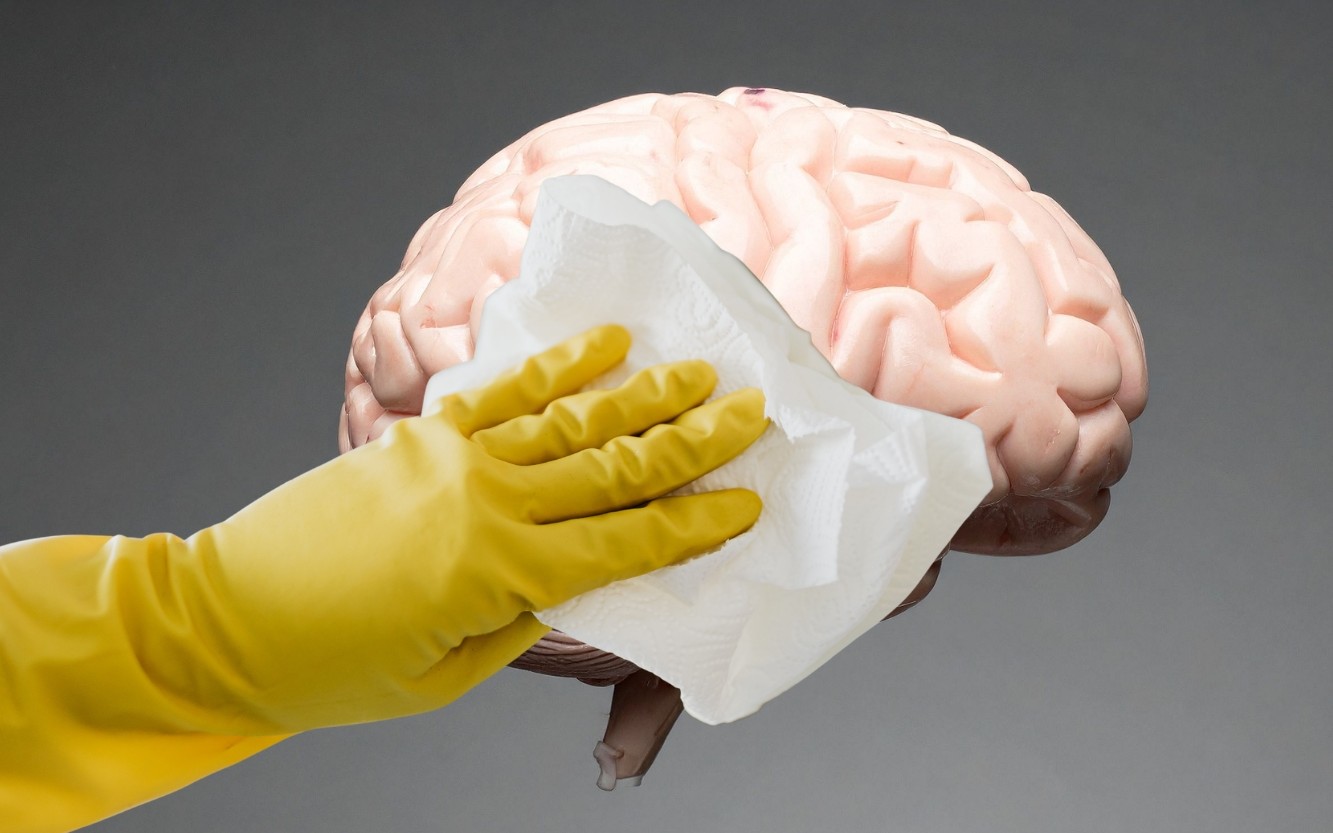
We all know the brain is hard-at-work behind the scenes. But what happens when its built-in “cleanup crew” can’t keep pace?
A new study suggests that when the brain’s waste-clearance system slows down, it could play a key role in the development of dementia. For everyone interested in brain health, from goal-setting professionals to active adults, this brings another powerful reason to support your brain’s natural rhythms and vascular wellness.
What’s going on?
Researchers analysed MRI data from more than 44,000 participants (median age 65) over about 5 ½ years *. They were looking at how well the brain’s “glymphatic” system (the name given to its waste-clearance network), was functioning, and how this related to risk of dementia.
Here are the key findings:
- Markers of impaired glymphatic flow (e.g lower “DTI-ALPS” scores, higher choroid‐plexus volume) were linked to a higher risk of developing dementia.
- The usual suspect risk-factors for cardiovascular disease (high blood pressure, diabetes, smoking, arterial stiffness) were also strongly tied to poorer brain waste-clearance function.
- Importantly: it gives a plausible mechanism for how vascular health and brain health intersect. If the small blood vessels in the brain are damaged, the brain’s “cleanup system” may falter, leaving behind waste waste-proteins that can pile up in the brain.
Why this matters (and what it means for you)
- New angle on dementia prevention. Rather than just focusing on the build-up of harmful proteins in the brain (amyloid/tau) in the brain, this research points to drainage and clean-up failure as a key contributor. That means supporting the brain’s waste-clearance system becomes a potential target.
- Vascular health = brain health. The study emphasises that what’s good for your heart and blood vessels is also good for your brain’s “plumbing”. High blood pressure, diabetes and other vascular issues may undermine brain clean-up long before dementia appears.
- Sleep may be more important than you think. The glymphatic system is most active during sleep, and poor sleep has been linked to impaired brain clearance. So supporting sleep quality becomes even more compelling.
What you can do (Brainfit-friendly tips)
Here are practical steps to energise and support your brain’s cleanup crew:
- Keep your blood pressure in check. Even small drops in blood pressure can help keep your brain’s blood vessels healthy.
- Manage blood sugar and metabolic health. Diabetes and impaired metabolism show up in the study as key disruptors of brain clearance.
- Support good sleep hygiene. Create a consistent sleep schedule, reduce screen time before bed, make your sleep environment dark, quiet and cool.
- Move your body. Exercise supports vascular health, boosts circulation and may indirectly help the brain’s cleanup process.
- Stay hydrated and nourished. While the study doesn’t address diet directly, we know from Brainfit’s existing work that hydration, antioxidants, Mediterranean-style nutrition all support healthy brain and vascular function.
- Think long-term. While this isn’t a quick fix, it adds another layer of motivation: by supporting your brain’s cleanup system now, you’re building cognitive reserve and resilience for later.
Closing thoughts
This research reinforces an important truth: a healthy brain doesn’t work alone – it relies on a healthy body.
When you support your heart, circulation, sleep and daily habits, you’re also helping your brain to take out the “rubbish,” so it can perform at its best. Every small step you take today is an investment in a brighter, clearer, more confident future you.