
Brainfit Tricks For ’26 – Part 9:
At Brainfit, we’re brain fitness and memory coaches. Throughout 2026 we’re sharing 52 weekly, science-backed Brainfit Tricks designed to strengthen memory, sharpen focus and build greater confidence at any age. In this Brainfit Tricks for ’26 article we’re looking at the important role that your senses play in brain health and memory.
When do you think a memory begins?
Perhaps when you repeat someone’s name so you won’t forget it? When you try to remember where you parked the car? Or when you search your memory for something you learned yesterday?
Actually, memory begins much earlier. It starts with the information your brain receives in the first place.
Every moment of every day, your senses are gathering information about the world around you.
Your eyes take in faces, colours, shapes and movement. Your ears capture voices, music and sounds. Your nose detects different odours. Your taste buds help distinguish flavours. And receptors throughout your body provide information about touch, texture, temperature, pressure and much more.
Your brain is constantly receiving a stream of sensory information from the world around you. But you don’t consciously process all of it. Attention acts as a filter, selecting some of that incoming information for deeper processing and bringing it into conscious awareness.
Which is why one of the simplest lessons about memory is also one of the most important: It’s difficult to remember information that you don’t pay attention to first.
Memory Starts With Good Inputs
We tend to think of memory problems as problems with forgetting.
But sometimes an everyday memory lapse has less to do with retrieving information and more to do with how well that information was captured in the first place.
Imagine meeting someone at a busy function. They introduce themselves while music is playing, people are talking around you and you’re thinking about what you’re going to say next. Two minutes later, their name has disappeared. Did you forget it? Perhaps. But there’s another possibility: you never encoded it particularly well in the first place.
Maybe you didn’t hear the name clearly. Perhaps your attention was elsewhere. Maybe you heard it but didn’t consciously connect it with the person standing in front of you.
Your brain can’t reliably retrieve information that it didn’t properly capture.
That’s why you’ve heard us say many times that attention is the gateway to memory.
Your senses provide the information coming in. Attention helps determine what gets noticed and processed. From there, your senses work together to build richer memories.
Your Senses In Action
Although we’re focusing on one sense at a time in this month’s Brainfit Tricks, your senses don’t normally operate in isolation.
Your brain is constantly combining information from different senses to create a richer picture of what is happening around you.
Think about eating an apple – Your brain doesn’t simply register apple. You see its colour and shape. You feel its weight and smooth skin. You hear the crunch when you bite it. You smell its distinctive aroma and taste its sweetness or sharpness.
Together, those different pieces of sensory information contribute to your experience. The same thing happens when memories are formed. Think about a favourite holiday – You might remember the view from your hotel window, the sound of the ocean, the smell of sunscreen, the taste of a particular meal or the feeling of warm sand beneath your feet. All of those details can become associated with the experience.
This is also why using different approaches can be helpful when you’re trying to learn or remember something e.g. saying it our loud or writing it down. You’re giving your brain different ways to engage with the information, using different sensory experiences rather than relying on a single exposure.
Your Senses Can Help You Find Memories Too
Here’s where things become even more interesting – Our senses don’t only help information get into memory. Sensory information can also provide powerful clues that help us retrieve memories later.
Think about hearing a song you haven’t heard for years and suddenly remembering a particular person, place or time in your life. Or smelling a particular perfume and immediately thinking of someone who used to wear it. Perhaps the taste of a particular dish reminds you of family celebrations.
Psychologists call these retrieval cues: information associated with an experience that can later help us access the memory. So next time you’re struggling to remember something, rather than simply trying harder, try reconstructing the experience around it.
- Where were you?
- Who were you with?
- What could you see?
- What could you hear?
- Was there a distinctive smell, taste or feeling?
Sometimes one clue leads to another until suddenly the information you’re searching for pops back into your mind. Don’t just search for the memory. Search for the clues around it.
Looking After Your Senses Means Looking After Your Brain
If our brains depend on sensory information, it makes sense that looking after our sensory health matters too.
Hearing is a particularly important example. When hearing becomes less clear, following conversations can require considerably more effort. It may also become tempting to withdraw from noisy restaurants, social gatherings or other situations that have become difficult.
The 2024 Lancet Commission on dementia prevention, intervention and care identifies untreated hearing loss as one of 14 potentially modifiable risk factors for dementia. The Commission also added untreated vision loss as a risk factor for the first time in its 2024 report.
This does not mean that someone with hearing or vision loss will develop dementia. Rather, it adds to the evidence that looking after our senses should be considered part of the bigger picture of supporting brain health throughout life.
Don’t Wait Until You Notice a Problem
Hearing, vision and other sensory changes can happen gradually, which means we may not always notice those changes ourselves.
That’s why it’s worth making regular hearing and eye checks part of your general health routine, rather than waiting until seeing or hearing becomes noticeably difficult.
An eye examination can identify changes in your vision and other aspects of eye health, while a hearing check can help identify changes that may be making conversations or everyday sounds harder to follow. And if you already wear glasses or use hearing aids, make sure they’re working well for you and use them as recommended. Think of it as giving your brain the best possible information to work with.
5 Brainfit Tricks To Engage Your Senses And Support Your Memory
This month’s five Brainfit Tricks encourage you to pay a little more attention to the information your senses are providing. You don’t need special equipment or hours of practice. You simply need to notice.
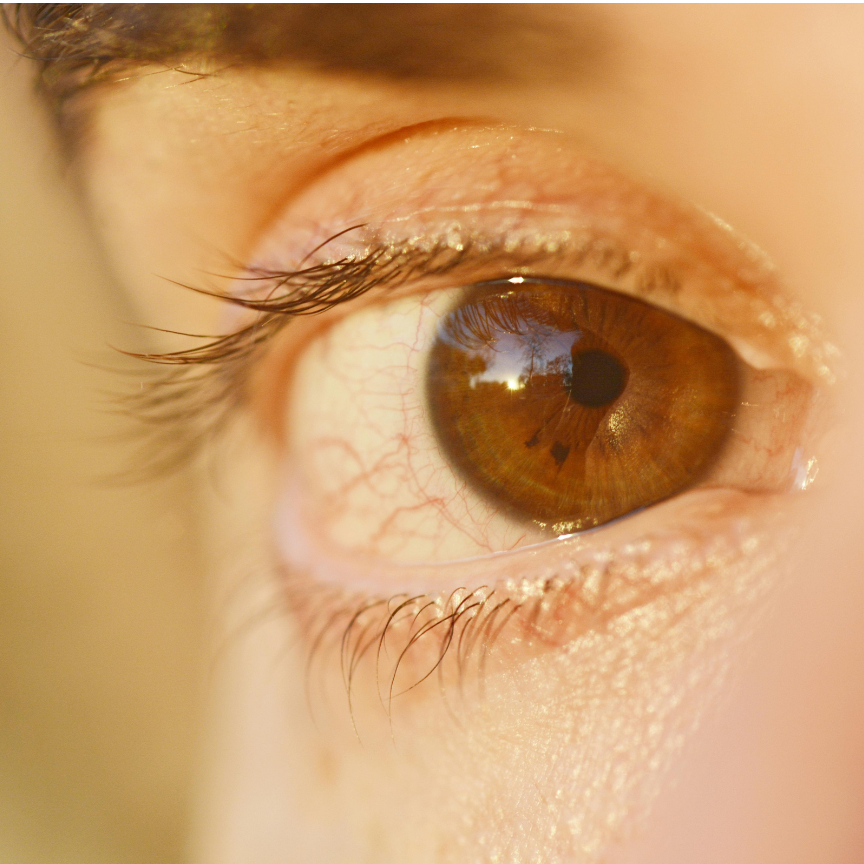
Trick #34 – Look Twice
The Science
Our eyes constantly take in enormous amounts of visual information, but that doesn’t mean we consciously notice everything we see.
Attention helps determine which details receive deeper processing.
Taking an extra moment to really observe something gives your brain more visual information about the experience.
Why It Matters
Think about how often you put down your phone, keys or glasses while thinking about something completely different. Later, you search the house convinced that your memory has failed you.
But did you actually notice where you put them?
Sometimes the problem isn’t forgetting where something is. It’s failing to register where you put it in the first place.
Try This
Next time you put something down that you’ll need later:
Pause
Look directly at it.
Notice its position and something distinctive nearby.
You could even say aloud: “My glasses are beside the blue vase.”
Give your brain something useful to remember.
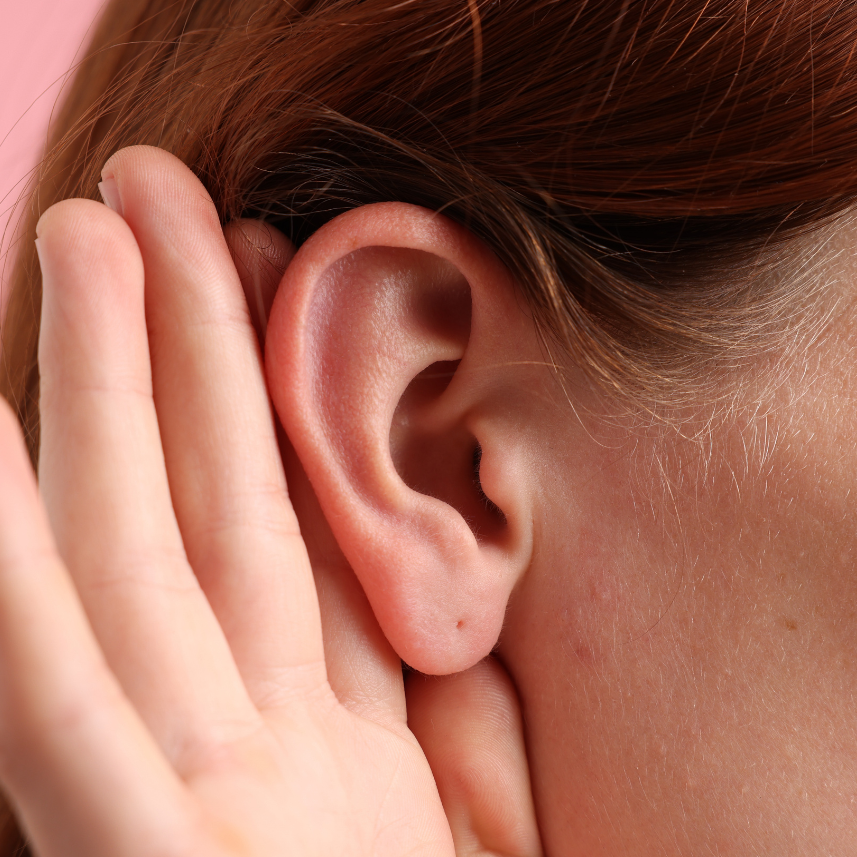
Trick #35 – Listen for One New Thing
The Science
Hearing and listening aren’t quite the same thing.
Sounds may reach our ears without receiving our full attention. Deliberately listening encourages us to focus on and process what we’re hearing.
Why It Matters
Conversations provide a perfect example. We can be thinking about our response, checking our phone or watching what’s happening around us while another person is talking. Then later we discover we can’t remember what they said.
Listening attentively gives your brain a better opportunity to capture the information accurately.
Try This
During your next conversation:
Challenge yourself to listen for one new thing.
It could be:
- a person’s name
- something they did recently
- an interesting fact
- a detail from a story
- something distinctive about their tone of voice.
Later that day, see if you can remember it.

Trick # 36 – Stop and Notice a Smell
The Science
Smell has a fascinating relationship with memory and emotion.
A familiar scent can sometimes trigger an autobiographical memory almost instantly, bringing back not just the event but the feelings associated with it.
One reason for this is that the brain systems involved in processing smells have close connections with areas involved in memory and emotion. This helps explain why odours can be such powerful memory cues and provides a wonderful demonstration of just how closely our senses and memories are connected.
Why It Matters
Smell is also remarkably easy to overlook. Unless an odour is particularly pleasant, unpleasant or unexpected, we often move through our day without consciously noticing the enormous variety of scents around us.
Try This
Pause once today and deliberately notice a smell.
Perhaps:
- freshly brewed coffee
- flowers
- rain
- freshly cut grass
- herbs while you’re cooking
- soap or shampoo.
Don’t simply identify it.
Ask yourself: Does this smell remind me of anything?
You might be surprised where your brain takes you.

Trick #37 – Add One New Flavour
The Science
New or unexpected experiences can capture our attention.
Novel experiences can interrupt autopilot and encourage us to pay closer attention to what we’re experiencing.
Why It Matters
As humans we are creatures of habit. We buy the same foods, cook familiar meals and order our favourites from the menu.
There’s nothing wrong with familiarity, but occasionally introducing something new gives your brain different information to process.
Try This
Add one unfamiliar flavour to your week.
Try:
- a fruit you’ve never eaten
- a different herb or spice
- a new cuisine
- an unfamiliar vegetable
- a different combination of familiar ingredients.
Then really notice it.
- What does it smell like?
- What’s the texture?
- Is it sweet, sour, salty, bitter or savoury?
- Do you like it?
Keep those taste buds curious.
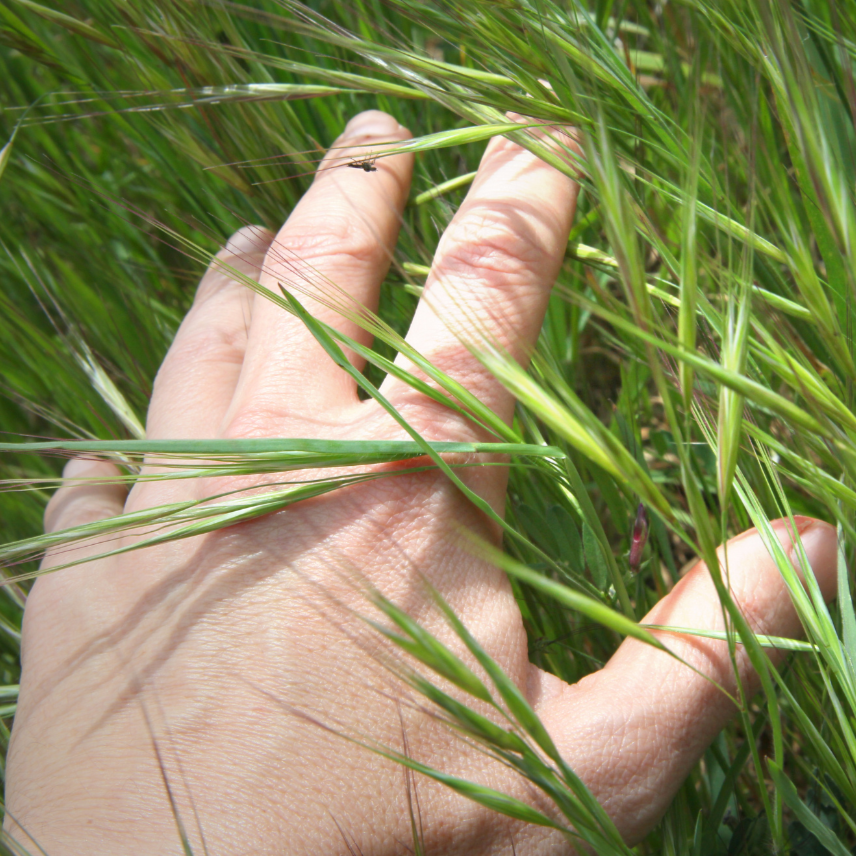
Trick #38 – Feel The Details
The Science
Touch provides a constant stream of information about the physical world around us.
Texture, pressure, temperature, shape and weight all contribute to our understanding of objects and experiences.
Why It Matters
Touch is another sense we often use without consciously noticing.
Engaging it deliberately provides your brain with another source of information about an experience.
Try This
Pick up an everyday object and concentrate on how it feels.
Is it:
- smooth or rough?
- heavy or light?
- hard or soft?
- warm or cool?
- regular or irregular in shape?
Spend 20 seconds exploring it. You’ll probably notice considerably more than you usually do.
Why These Strategies Work Together
Each of this month’s Brainfit Tricks uses a different sensory pathway, but they all share one important principle: Pay attention to the information coming in.
You don’t need to spend your life intensely analysing every cup of coffee, conversation and door handle you encounter.
Simply stepping out of autopilot occasionally and deliberately noticing the world around you can give your brain richer information to work with.
A Simple Brainfit Challenge: Create a Sensory Snapshot
Choose one moment this week that you’d genuinely like to remember. It might be:
- dinner with friends
- time with your children or grandchildren
- a beautiful spring day
- a celebration
- a walk somewhere you love.
Stop for 30 seconds and ask yourself:
- What can I see?
- What can I hear?
- What can I smell?
- What can I taste?
- What can I feel?
You don’t need all five senses to be involved. Simply notice the details that are there.
Then add one final question: How do I feel right now?
You’re giving your brain a rich collection of details associated with that moment.
You’re not trying to memorise the moment. You’re simply giving yourself time to really experience it.
Later that evening, see how much of your sensory snapshot you can recall.
Want to Go Deeper?
If you’d like to learn more about the fascinating relationship between your senses, memory and brain health, these expert-backed resources are a great place to start.
📖 Read: 14 Ways to Protect Your Brain – Reduce Your Dementia Risk by 45% – Our Brainfit article explores the 14 potentially modifiable risk factors for dementia identified in the 2024 Lancet Commission, including hearing loss and the newly added risk factor of untreated vision loss.
🎧 Listen: Unlocking the Mysteries of Smell – In this episode of the American Psychological Association’s Speaking of Psychology, experimental psychologist Dr Pamela Dalton explores our extraordinary sense of smell, including its connections with memory and emotion.
🎥 Watch: How Optical Illusions Trick Your Brain – This short TED-Ed animation provides a fascinating demonstration of how your brain interprets visual information and why seeing isn’t quite as straightforward as it feels.
A Final Brainfit Reminder
Memory doesn’t begin when you’re searching for someone’s name or wondering where you left your phone. It begins when you look, listen, smell, taste, touch and pay attention.
And the good news is that you don’t need to completely change the way you live to put this knowledge to work.
- Pause occasionally.
- Notice a little more.
- Look twice.
- Listen carefully.
- Stop and notice a smell.
- Try a new flavour.
- Feel the details.
And remember: It’s hard to remember what you never noticed in the first place.
Don’t forget to 👉 Follow Us on Social Media and👉 Subscribe to Our Newsletter so you don’t miss out on next month’s Brainfit Tricks for ’26.