Estrogen & Your Brain: Why This Hormone Matters More Than You Think
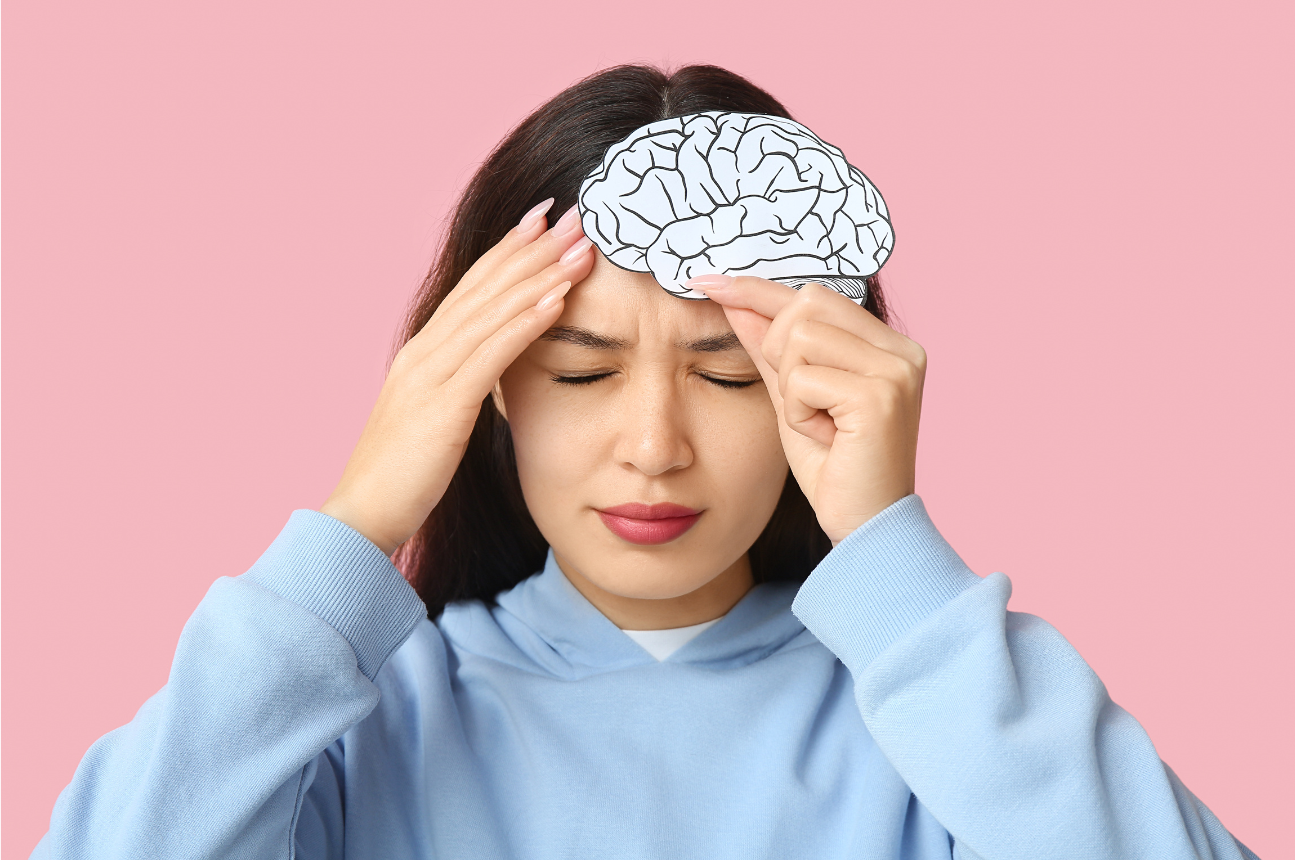
When people talk about perimenopause and menopause, the focus is usually on hot flashes, mood swings, and sleep disruption but one of the biggest shifts is happening inside your brain. Estrogen isn’t just a reproductive hormone – it’s a neuroprotective powerhouse.
Estrogen supports memory, attention, and learning by nourishing the hippocampus and prefrontal cortex – two areas critical for cognitive function. As levels drop, many women notice more “tip-of-the-tongue” moments, slower thinking, and mental fuzziness. The good news is, these changes are typically temporary and with the right training, your brain can adapt and even thrive.
At Brainfit, we work with people of all ages to rewire memory circuits through targeted neuroplasticity practices. Our science-backed programmes are designed to help build new brain connections using simple, everyday techniques. It’s often not about doing more, it’s about doing what you’re already doing in a Brainfit-friendly way.
Why Memory Feels Different in Midlife
As estrogen levels decline during perimenopause and menopause, women may notice:
-
More “tip-of-the-tongue” moments – that strong sense of knowing what you want to say, but not being able to find the words
-
Trouble concentrating
-
Difficulty juggling multiple tasks
-
A general slowing of mental processing
Sound familiar? These changes are real – but importantly, they don’t last forever.
What Science Says About Hormones and the Brain
-
Estrogen helps regulate acetylcholine, a neurotransmitter tied to learning and memory.
-
It also boosts blood flow and glucose metabolism in the brain, fueling neural activity.
-
When estrogen declines, these processes can temporarily dip—leading to the “foggy” feeling many women report.
Should You Consider Hormone Therapy?
Hormone Replacement Therapy (HRT), now more commonly referred to as Menopausal Hormone Therapy (MHT), can help with hot flashes and other symptoms of menopause. Some studies also suggest it may have protective effects on brain health when started around the time of peri-menopause.
However, MHT isn’t right for everyone. It’s important to talk with your healthcare provider about the risks and benefits, especially if memory or focus is a concern.
What You Can Do Today?
Even without MRT, there are powerful ways to support your brain & memory during this stage of your life journey. As discussed in Part 1 of our Menopause & Memory series, here are some practical, Brainfit-friendly strategies to try:
-
Stay mentally active: Cognitive training helps all brains. If you do nothing else—challenge and grow your brain daily by exposing it to new experiences. It could be as simple as walking a different route with the dog, cooking with unfamiliar flavours, or watching a Netflix series outside your usual genre. Challenge your thinking—your brain will thank you for it.
-
Prioritize physical activity – Exercise increases estrogen sensitivity in the brain and boosts mood and memory.
-
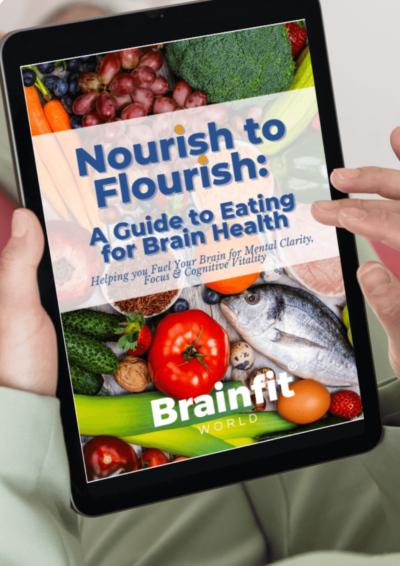
Eat for your brain – Omega-3s, leafy greens, nuts, and whole foods all support long-term brain health. Check out our Nourish to Flourish e-book for realistic, brain-friendly eating tips.
-
Sleep well and manage stress – Quality sleep and stress management naturally support hormonal balance and cognitive clarity. (See Article 3 and 4 in this series for more on this!)
Your brain is resilient.
Understanding how hormones affect it gives you the power to work with, not against, your biology.
Note: This article is part of the Menopause & Memory series exploring the impact of perimenopause and menopause on brain health. Click below for more practical insights to support your cognitive well-being during this important life transition:
Part 1: What was I saying again?
Part 3: Sleep, Hot Flushes & Brain Drain
A Personal Note from Jude: Why I’m Writing This Menopause & Memory Series:
As a woman in my late 40s, I know all too well the rollercoaster of perimenopause. During a recent GP visit to investigate ongoing, debilitating joint pain (yes – another of the many joys of this life stage!), I had a conversation that really stuck with me and inspired this series. As my doctor ran through the long list of common menopause symptoms, she asked about brain fog – one of the most frequently reported cognitive changes. I paused, then confidently replied: “No, I haven’t noticed any.” Her response? Surprise, curiosity, and genuine excitement when I shared the kind of work I do with Brainfit.
For the past 8 years, I’ve been an accredited Brainfit® Coach, helping people strengthen their brain health and memory so they can thrive – personally and professionally. And while I’ve always valued what this training has given me, I’m now more grateful than ever for its impact on my own life. The simple, science-based tools I’ve used to challenge and support my brain have, I believe, helped me build a strong cognitive reserve – the buffer that protects us when life throws curveballs (like hormone upheaval).
This is not a brag. Brain health is deeply personal to me, especially after experiencing burnout in my early 30s (a story for another day). I share this now because I know firsthand how powerful it is to understand what’s happening in your brain and what you can do to support it. No one should have to suffer through these changes without help, hope, or tools. That’s why we created this Menopause & Memory Series. It’s here to empower you with knowledge, practical strategies, and support for this next stage of your life and beyond.
You’re not alone and you’re not powerless. Let’s keep our brains as strong as our spirits.
Jude Walter Director, Brainfit.World