
Brainfit Tricks For ’26 – Part 11:
At Brainfit, we’re brain fitness and memory coaches. Throughout 2026 we’re sharing 52 weekly, science-backed Brainfit Tricks designed to strengthen memory, sharpen focus and build greater confidence at any age.
For much of this year, we’ve talked about things you can give your brain – Movement. Sleep. Good nutrition. Social connection. Mental challenge. Attention. New experiences. But there’s another important part of brain health that deserves our attention: protecting the amazing brain you already have.
Protecting Your Brain: There’s More to It Than You Think
Your brain is remarkably resilient, but it isn’t invincible.
When we hear the words “protect your brain”, it’s easy to picture a bicycle helmet. And helmets absolutely belong in the conversation, but protecting your brain involves much more than preventing physical injuries.
Your brain depends on a healthy supply of oxygen and nutrients delivered through an enormous network of blood vessels. It relies on information from your eyes, ears, muscles and joints to help you move safely through the world. And the environment around you can either support your brain or make everyday tasks unnecessarily demanding. Protecting your brain means looking after the whole system that helps it function at its best.
And here’s the good news: while we can’t control everything that affects our brain health, there is plenty we can do to reduce our risks and give our brains the best possible chance of staying healthy as we age.
What Does “Modifiable Risk” Actually Mean?
You may have heard the phrase modifiable risk factor. Put simply, it means something associated with health or disease risk that we may be able to change, reduce or manage.
The landmark 2024 Lancet Commission on dementia prevention, intervention and care identified 14 potentially modifiable risk factors across our lives. These include traumatic brain injury, hearing and vision loss, physical inactivity, pollution and social isolation, among others. The World Health Organisation (WHO) similarly highlights factors including high blood pressure, diabetes, high cholesterol, harmful alcohol use and smoking.
But there’s an important distinction worth understanding – Reducing risk isn’t the same as guaranteeing prevention. Someone can do many things “right” and still develop dementia or another neurological condition. Equally, having one or more risk factors doesn’t mean someone will develop dementia.
Brain health is considerably more complicated than a checklist but understanding which factors we can influence gives us something valuable: the opportunity to take action. And that’s where our four November Brainfit Tricks come in. Some of these tricks focus on reducing longer-term health risks, while others help make everyday thinking, remembering and staying safe a little easier.
So let’s start with one of the most obvious, but sometimes overlooked: protecting your head
4 Brainfit Tricks To Help Protect Your Brain
Trick #43 – Protect Your Head
The Science
Traumatic brain injury is one of the potentially modifiable dementia risk factors identified by the Lancet Commission.
A traumatic brain injury (TBI) occurs when an external force disrupts normal brain function. It can result from a bump, blow or jolt to the head and range from a mild concussion to a much more serious injury.
Why It Matters
Head injuries can happen at any age. Falls and motor-vehicle crashes are important causes, particularly as people get older. But protecting your head isn’t about becoming frightened of living an active life. Quite the opposite – It’s about taking sensible precautions so you can keep doing the things you enjoy.
Try This
Think about the activities and situations where your head could use a little extra protection:
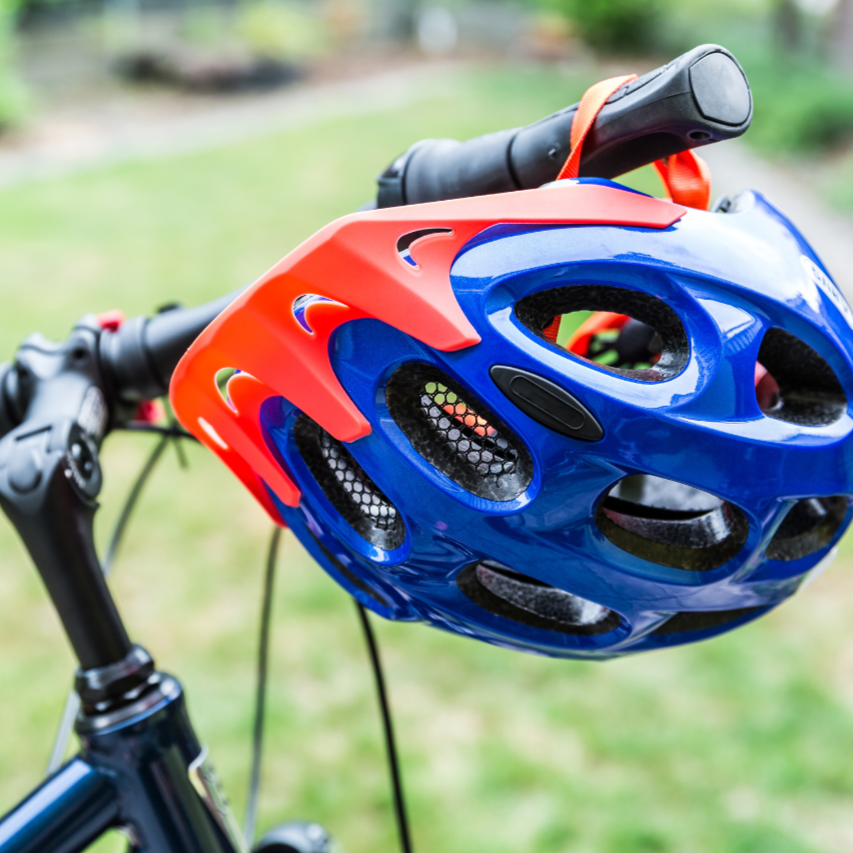
Wear an appropriate helmet when cycling or participating in activities where one is recommended.
Buckle your seatbelt every time you’re in a vehicle.
Address obvious trip hazards around your home.
If you experience a significant knock to the head or symptoms following an injury, seek appropriate medical advice.
These are simple precautions, but they can make an important difference. Your brain is precious cargo. Protect it!

Trick #44 – Know Your Numbers
The Science
Your brain represents only a small proportion of your body weight, but it requires a substantial supply of oxygen and energy. That makes the health of your heart and blood vessels particularly important.
High blood pressure, high LDL cholesterol and diabetes are all recognised as potentially modifiable dementia risk factors. Over time, poor cardiovascular health can affect the blood vessels that supply your brain, potentially increasing the risk of stroke and cognitive difficulties.
Why It Matters
Some important cardiovascular risk factors don’t necessarily announce themselves. High blood pressure is a perfect example – you can feel perfectly well and still have it. The NZ Heart Foundation reported in 2026 that one in three New Zealanders over 30 has high blood pressure and approximately 350,000 people may be unaware they have it. That’s why knowing your numbers matters.
It’s not just about your heart. It’s about protecting the blood supply your brain depends on too.
Try This
Get to know your:
Blood pressure
Cholesterol levels
Blood sugar or diabetes status
Ask your GP, nurse, pharmacist or appropriate healthcare professional which checks are recommended for you. If you’re already managing high blood pressure, cholesterol or diabetes, keep following the advice and treatment plan you’ve been given.
This isn’t about chasing a particular number you’ve found on the internet. It’s about understanding your own health and taking action where it matters.

Trick # 45 – Protect Your Balance
The Science
Balance is surprisingly complex. Your brain constantly combines information from your eyes, inner ears, muscles and joints, then coordinates the movements needed to keep you upright.
Strength matters too. As we age, changes in muscle strength, balance, vision, medications and other health factors can increase our likelihood of falling.
Why It Matters
Falls are not an inevitable part of getting older.
ACC’s Live Stronger for Longer programme highlights the importance of strength and balance activities in helping older New Zealanders reduce their risk of falling and maintain independence. Protecting your balance is about staying confident and capable enough to keep doing more, regardless of age!
Try This
Look for opportunities to challenge your strength and balance regularly. That might include:
Trying Tai Chi, yoga or an appropriate strength and balance class.
Practicing standing on one leg while holding a sturdy chair for support.
Including simple strengthening exercises in your weekly routine.
Keeping walkways clear and ensuring your home is well lit.
Choose activities appropriate for your ability, and use support when needed. If you’ve been feeling unsteady or have fallen recently, talk to a health professional rather than simply accepting it as part of ageing.
A stronger, steadier body helps protect the amazing brain inside it.

Trick #46 –Create A Brain Friendly Environment
The Science
Your brain is constantly processing information from the world around you. Sounds, sights, conversations, notifications, movement and other distractions all compete for your attention. And attention is one of the essential first steps in forming memories.
When your environment is cluttered, noisy or full of interruptions, your brain may have to work harder to focus on what matters. This can make it more difficult to concentrate, remember information and complete everyday tasks efficiently.
The encouraging news is that small changes to your surroundings can make everyday thinking and remembering easier.
Why It Matters
Have you ever walked into a room and forgotten what you went there for? Or put something down while distracted, only to spend the next ten minutes searching for it?
Sometimes the problem isn’t your recall. It’s that your attention was divided and you didn’t focus on where you put things so, you never made the memory in the first place. Creating a brain-friendly environment is about reducing unnecessary distractions and putting simple supports in place to help your brain do its job. And as we get older, thoughtful changes to lighting, noise and the organisation of our surroundings can become even more valuable e.g. having a set place for things.
Try This
Take a fresh look at one space you use every day. Could you make it a little more brain-friendly?
Reduce distractions: Turn off unnecessary notifications or background noise when you need to concentrate.
Give important things a home: Keep your keys, glasses, wallet or phone in a consistent place.
Use visual reminders: Calendars, notes and checklists can help reduce the need to hold everything in your head.
Improve lighting: Make sure important spaces are well lit, particularly where you’re reading, working or moving around.
Clear the clutter: Remove unnecessary obstacles and visual distractions from frequently used spaces.
Sometimes the best way to support your brain is to make its job a little easier.
Don’t Turn Brain Health Into a Full-Time Job!
Whenever we talk about protecting brain health, there’s a risk that it starts to sound like an enormous list of things we all need to get right. Perfect blood pressure. Perfect balance. Perfect nutrition. Perfect sleep. A spotless home. Exhausting, isn’t it?
Thankfully, that’s not what Brainfit is about.
Looking after your brain isn’t about eliminating every possible risk. It’s about taking sensible action on the things you can influence. And you don’t have to do everything at once.
Perhaps there’s one health check you’ve been putting off. Maybe it’s time to make strength and balance exercises a more regular part of your week. Or perhaps a few simple changes to your home or workspace could make everyday life a little easier. The important thing is to start somewhere and here is a 5min Brainfit Challenge to help you get started this week:
Your Brainfit Challenge: A 5-Minute Brain Protection Check-In
Take five minutes this week and ask yourself these four questions.
🧠 HEAD: Am I protecting my head when there’s a risk of injury? Think helmets, seatbelts and fall hazards.
❤️ HEALTH: Do I know my important health numbers? Think blood pressure, cholesterol and blood sugar.
⚖️ BALANCE: Am I doing anything regularly to maintain my strength and balance? Think simple exercises, movement and activities that help you stay steady.
🏡 ENVIRONMENT: Is my home or workspace helping my brain or making its job harder? Think lighting, distractions, clutter and simple memory supports.
Now here’s the important part – Choose just ONE action you could take this week to better protect or support your brain. Write it down. Make a plan. Give it a go.
Small actions are often the easiest place to start.
Want to Go Deeper?
If you’d like to learn more about the science and practical strategies behind this month’s Brainfit Tricks, here are some useful resources:
📖 READ: 14 Ways to Protect Your Brain – Our Brainfit article explores the Lancet Commission’s 14 modifiable risk factors for dementia and provides practical steps we can take throughout life to help reduce our risk.
🎥 WATCH: 14 things you can do to prevent dementia | A Doctor’s Guide – Prefer watching to reading? In this easy-to-follow eight-minute video, Dr James O’Donovan explains the 14 modifiable dementia risk factors identified by the 2024 Lancet Commission and what they mean for our everyday lives.
🔍EXPLORE: Know Your Numbers – The NZ Heart Foundation offers a range of useful information about blood pressure, why it matters and how to manage it.
A Final Brainfit Reminder
Over the past year, we’ve explored many ways to strengthen, nourish, challenge and support your amazing brain. This month has been a reminder that protecting it deserves just as much attention.
You can’t control every influence on your future brain health but you can take positive steps today. So don’t worry about doing everything – PROTECT WHAT YOU CAN. Because the amazing brain you’ve spent this year learning more about is definitely worth protecting!
Don’t forget to 👉 Follow Us on Social Media and👉 Subscribe to Our Newsletter so you don’t miss out on next month’s Brainfit Tricks for ’26.